Food
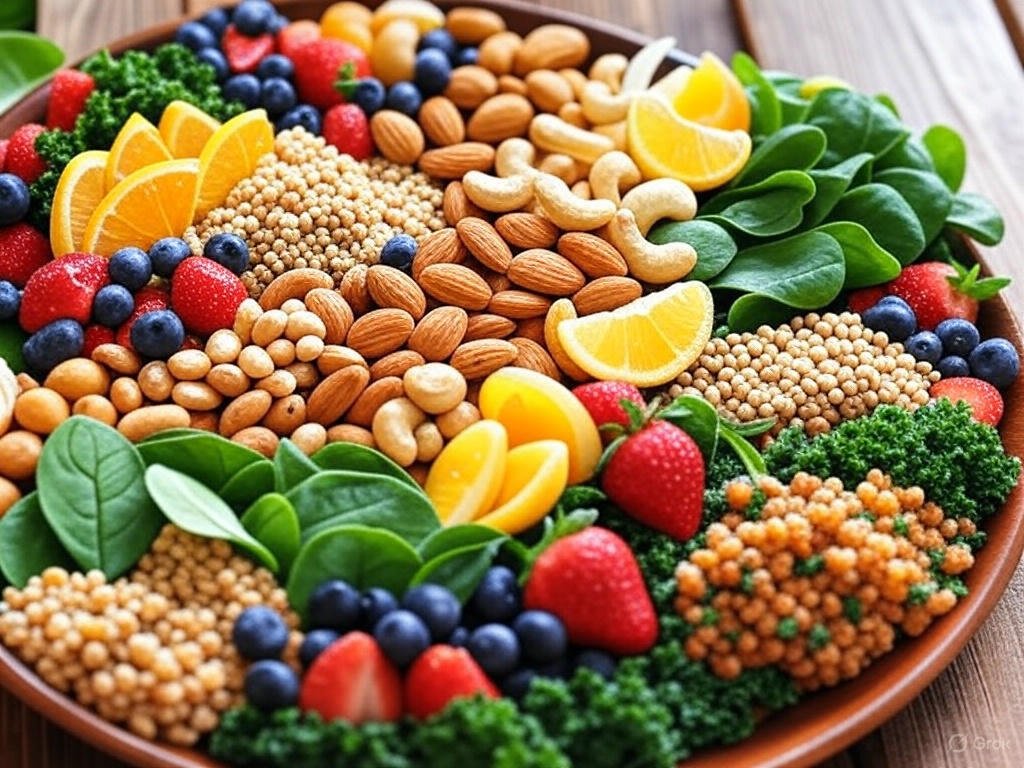
Essential nutrient rich foods are the foundation of a healthy life. They support physical and mental health, boost immunity, and prevent deficiencies. By prioritizing foods like fruits, vegetables, lean proteins, and whole grains, you can enhance your well being and vitality.
Food Groups
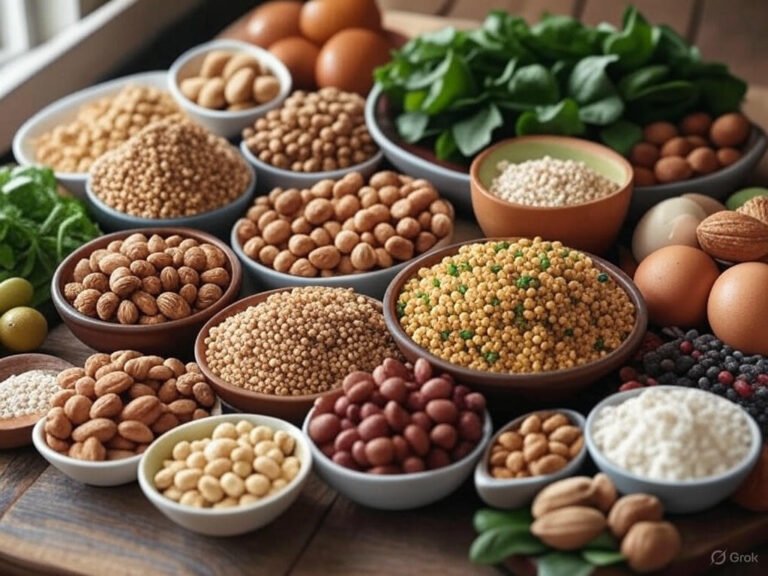
Food groups form the basis of a balanced diet, providing essential nutrients for overall health. Including them in your daily meals promotes both physical and mental well being.
Why Dietary Variety Matters
A major shortcoming of many modern diets is not the complete absence of a specific type of food, but rather a lack of variety in the foods consumed.
Consuming the same type of food repeatedly can make it difficult to obtain the essential nutrients and beneficial compounds found in a diverse range of foods.
A varied diet may include:
A variety of fruits
A variety of vegetables
Different types of grains
Various sources of protein
Appropriate amounts of dairy or dairy alternatives
Nuts and seeds
Healthy fats for cooking
The Food and Agriculture Organization (FAO) defines a healthy diet as one that is diverse, emphasizing the importance of fruits, vegetables, legumes, nuts, whole grains, and appropriate animal sourced foods.
How to Prepare a Balanced Meal
Food groups offer the greatest benefit when incorporated into actual meals.
Instead of asking, “Which food is the healthiest?”, ask:
“How can I combine various nutritious foods in this meal?”
For example, a simple Indian meal might consist of:
Roti or rice
Dal (lentils)
A vegetable dish
Curd (yogurt)
Salad
A small amount of cooking oil or ghee
Another type of meal might include:
Rice
Rajma (kidney beans)
Mixed vegetables
Curd
Fruit
A non-vegetarian meal might include:
Rice or roti
Fish or chicken
Vegetables
Curd
Fruit
These are merely examples, not a rigid meal plan. Nutritional needs vary from person to person.
Understanding Food Groups and Portions
Food groups do not imply that every “healthy” food should be consumed in unlimited quantities. Nutritional balance depends on both the quality and quantity of food consumed.
For instance, nuts can be nutritious but are very high in energy. Oils can be part of a healthy diet, yet they are highly concentrated sources of energy. Fruits provide essential nutrients, but consuming large amounts of fruit juice is very different from eating the whole fruit.
The same applies to grains, dairy products, and protein-rich foods.
The goal is to achieve balance, not to overeat.
Food Groups for Different Stages of Life
Nutritional needs change throughout one’s life.
Children require proper nutrition for growth and development. Adults need it for daily activities and long-term health. For the elderly, nutritional priorities may differ based on appetite, muscle maintenance, bone health, and overall diet quality.
Therefore, information regarding food groups should be flexible rather than based on a single, rigid meal plan. Individuals with medical conditions, food allergies, intolerances, or specific nutritional needs may require personalized advice from qualified healthcare professionals or nutrition experts.
Food Groups and Traditional Indian Cuisine
Indian cuisine is an excellent example of how different food groups can be combined in traditional meals.
Dishes like dal-chawal (lentils and rice) combine legumes and grains. Roti (flatbread) can be served with vegetables and yogurt. Nuts, seeds, and spices add variety to both flavor and nutrition.
Indian culinary traditions also demonstrate that healthy eating does not mean abandoning one’s cultural diet.
Instead, traditional foods can be enjoyed by selecting the right ingredients, paying attention to cooking methods and portion sizes, and maintaining a balanced diet. This is also important because food is linked not just to nutrition, but also to family, culture, festivals, and identity.
Key Point
There is no single “perfect food.”
A healthy diet is built upon a combination of various types of foods.
Fruits and vegetables add variety and essential nutrients to the diet. Grains provide energy and can be consumed in various forms. Protein-rich foods aid in tissue repair and other vital bodily functions. Dairy products and their alternatives provide protein and minerals. Nuts and dried fruits further diversify nutritional intake. Oils and ghee provide fat and should be used mindfully, as they are very high in energy.
The most practical approach is to focus on variety, balance, food quality, appropriate portion sizes, and safe food preparation methods.
Understanding food groups offers a simple way for people to make better daily choices without turning nutrition into an unnecessarily complex system.
Food Planning

To make a nutritious meal it is necessary to have nutritious ingredients. For this you can plan as per your mood and go to a authentic store to choose the ingredients.
Healthy eating does not begin when food reaches the plate. It begins much earlier with deciding what to buy, where to buy it, how much to purchase, how to store it and how to turn those ingredients into practical meals.
why food planning is an important part of nutrition.
A person may understand the importance of fruits, vegetables, whole grains and protein, but still struggle to maintain a balanced diet if shopping is unplanned, meals are skipped, ingredients spoil or convenient highly processed foods become the default choice.
Food planning connects nutrition knowledge with everyday life.
At NutritionsValue, the Food Planning section can focus on three closely related areas: Authentic Shopping, Meals & Snacks, and Food Security & Sustainability.
The Food and Agriculture Organization emphasizes that healthy diets depend not only on what people know about nutrition but also on food availability, affordability, accessibility, processing, distribution and consumption.
What Is Food Planning?
Food planning is the process of deciding in advance:
- What foods to buy
- How much food is required
- Which meals will be prepared
- Which ingredients are available at home
- How foods will be stored
- How leftovers will be used
- How food waste can be reduced
Good food planning does not mean creating a rigid seven-day diet.
Instead, it creates a flexible framework.
For example, someone may decide to keep several basic ingredients available:
- Grains
- Pulses
- Vegetables
- Fruits
- Dairy or alternatives
- Protein foods
- Nuts and seeds
- Cooking oils
- Herbs and spices
These ingredients can then be combined into different meals.
Authentic Shopping
Authentic shopping should mean more than simply finding a “healthy” store.
Consumers should learn to identify trustworthy sources, understand food labels and evaluate the quality and freshness of foods.
When purchasing fresh foods, consider:
- Appearance
- Freshness
- Signs of spoilage
- Packaging condition
- Storage conditions
- Expiration or best-before information where relevant
- Ingredient lists
- Nutrition information
For packaged foods, the front of a package is often designed for marketing. The ingredient list and nutrition information provide more useful information for comparison.
A food being marketed as “natural,” “traditional,” “multigrain” or “healthy” does not automatically make it nutritionally superior.
Buying Seasonal Foods
Seasonal shopping can provide several advantages.
Seasonal produce may be more readily available and can sometimes be more affordable. It also gives households an opportunity to consume a broader variety of fruits and vegetables throughout the year.
Seasonal eating can also connect consumers with local agricultural production.
FAO’s work on sustainable food systems highlights the importance of food availability, affordability, diverse nutritious foods and sustainable value chains.
However, “local” or “seasonal” should not automatically be treated as a guarantee of superior nutrition. Overall food quality, safety and dietary pattern still matter.
Reading Food Labels
Food labels can help consumers compare products.
Useful information includes:
- Serving size
- Calories or energy
- Protein
- Total fat
- Saturated fat
- Carbohydrates
- Sugars
- Fiber
- Sodium
- Ingredient list
When comparing similar products, looking at the entire label is more informative than focusing on a single claim.
For example, a product labeled “low fat” may still contain substantial amounts of added sugar or sodium.
Similarly, “high protein” does not necessarily mean that a product is appropriate for every person’s diet.
Creating a Weekly Meal Framework
Meal planning becomes easier when meals are organized around broad components rather than complicated recipes.
For example:
Breakfast
Choose combinations such as:
- Whole-grain food + dairy/alternative + fruit
- Eggs + vegetables + grain
- Traditional breakfast + fruit
- Yogurt + fruit + nuts
Lunch
A simple framework could include:
- Grain or other staple
- Protein food
- Vegetable
- Optional dairy or alternative
Dinner
Dinner can follow a similar structure while varying the ingredients.
Snacks
Good snack planning prevents people from relying entirely on whatever food is most convenient when hunger appears.
Examples include:
- Fruit
- Yogurt
- Nuts
- Roasted legumes
- Homemade snacks
- Vegetable-based options
The goal is not to label every snack as “good” or “bad,” but to create practical options.
Meals and Snacks
Snacks can play different roles depending on the individual.
Some people need snacks because of their activity levels or meal schedules. Others may not require frequent snacks.
A useful snack should fit the person’s overall dietary pattern.
For example, fruit with yogurt provides a different combination of nutrients from a sugary beverage.
Nuts may be nutritious but are energy-dense, so portion awareness is useful.
Homemade snacks can also give households more control over ingredients.
Food Planning for Busy People
One of the biggest obstacles to healthy eating is time.
A practical solution is not necessarily cooking elaborate meals every day.
Instead, households can prepare components in advance.
For example:
- Wash and prepare vegetables safely
- Cook a batch of legumes
- Prepare grains
- Keep fruit available
- Store appropriate leftovers safely
- Keep basic spices available
This creates a “building block” approach.
One cooked ingredient can be used in several meals.
Reducing Food Waste
Food waste is both an economic and environmental issue.
Planning the quantity of food purchased can reduce unnecessary waste.
Before shopping, check:
What do I already have?
Then ask:
What needs to be used soon?
This simple habit can prevent buying ingredients that remain unused.
Food can also be organized according to freshness.
Foods that spoil quickly should generally be used sooner, while longer lasting foods can remain for later meals.
FAO notes that sustainable dietary guidance can include reducing food waste and considering seasonal and local foods.
Food Security
Food security is broader than simply having something to eat.
A healthy food system should help people obtain sufficient, safe and nutritious food.
Affordability matters because nutritious foods that are financially inaccessible cannot realistically become part of everyone’s diet.
Availability also matters.
A community with limited access to fresh produce, safe drinking water or reliable food markets may face nutritional challenges that cannot be solved simply by telling individuals to “eat healthier.”
FAO’s food-system approach emphasizes the relationships between food production, storage, transportation, processing, access and nutrition.
Sustainable Food Planning
Sustainability adds another dimension to food planning.
A sustainable diet considers:
- Nutrition
- Environmental impact
- Affordability
- Cultural acceptability
- Food safety
- Resource use
FAO describes sustainable healthy diets as nutritionally adequate, safe and healthy while also considering environmental, economic and sociocultural factors.
This does not mean everyone needs to follow the same diet.
Different regions have different food traditions, agricultural systems, climates and economic conditions.
Supporting Local Food Systems
Buying locally produced foods can sometimes support farmers and local economies.
However, local purchasing should still involve normal considerations of food safety, quality, affordability and nutritional value.
Farmers’ markets, local producers and traditional food businesses can also help consumers discover regional ingredients.
Smart Food Planning on a Budget
Healthy food planning does not have to mean buying expensive specialty products.
Budget friendly foods can include:
- Seasonal vegetables
- Pulses
- Beans
- Lentils
- Whole grains
- Eggs
- Local fruits
- Homemade meals
Planning meals around affordable staple ingredients can significantly reduce dependence on expensive convenience foods.
Cooking at home can also provide greater control over ingredients.
Building a Flexible Shopping List
A practical shopping list can be divided into categories:
Produce
- Seasonal fruits
- Vegetables
- Leafy greens
Protein
- Pulses
- Beans
- Eggs
- Fish or meat where consumed
- Dairy
- Alternatives
Grains
- Rice
- Wheat flour
- Oats
- Millets
- Other grains
Pantry
- Nuts
- Seeds
- Spices
- Cooking oils
- Dried legumes
This approach makes shopping faster and reduces the possibility of forgetting basic ingredients.
Food Planning and Cultural Foods
Meal planning should not force people to abandon traditional food.
Indian households can plan nutritious meals using familiar foods.
For example:
- Dal
- Rice
- Roti
- Sabzi
- Curd
- Seasonal fruits
- Traditional legumes
- Regional grains
The key is to improve balance and variety rather than completely replace cultural foods.
The Bottom Line
Food planning is the bridge between nutrition knowledge and everyday behavior.
A successful plan does not need to be complicated.
Start with a simple process:
Plan → Shop → Store → Prepare → Eat → Use leftovers → Reduce waste
Choose a variety of foods, read labels when purchasing packaged products, buy realistic quantities, keep nutritious ingredients available and adapt meals to your lifestyle.
A sustainable healthy diet should also be practical, affordable, culturally appropriate and safe.
Good food planning is therefore not about following a perfect menu. It is about creating an environment in which healthier choices become easier to make consistently.
Food Preperation
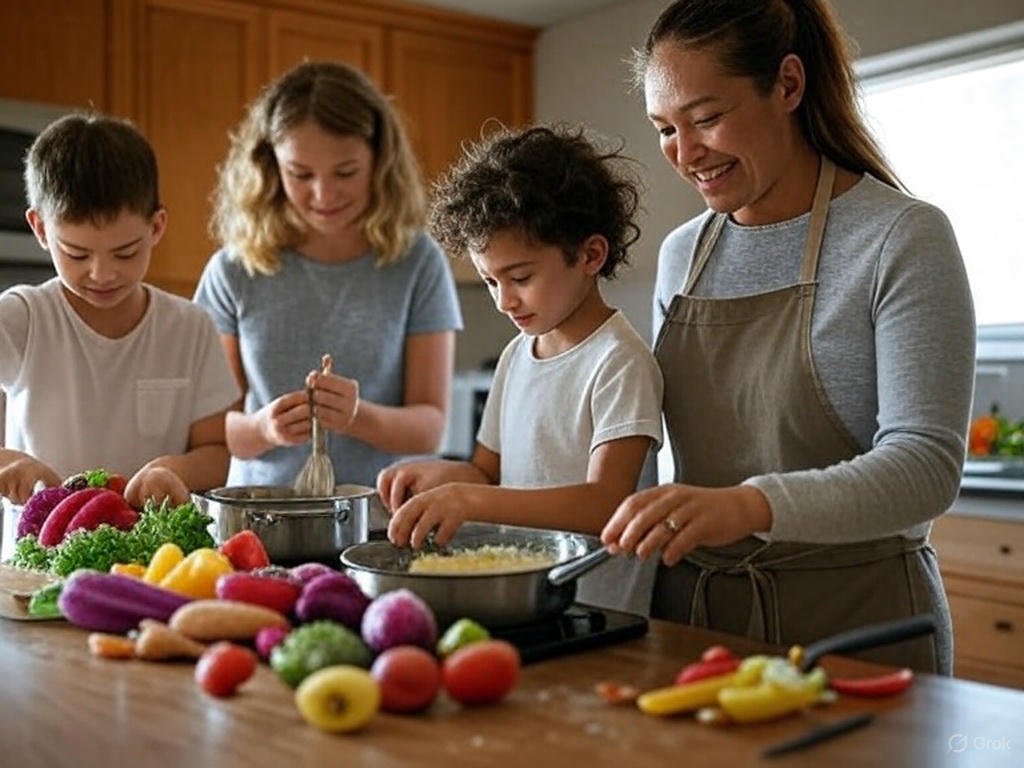
Using various kitchen tools and meal preparation techniques you can create meals that are delicious, nutritious and full of flavor.
Food preparation is where ingredients become meals.
The quality of the final meal depends not only on the ingredients selected but also on how those ingredients are washed, cut, stored, seasoned and cooked.
Good food preparation can make meals more enjoyable, practical and diverse. It can also help households make better use of the ingredients they already purchase.
NutritionsValue’s Food Preparation category brings together four important topics: Cooking Tips, Kitchen Tools, Herbs & Spices, and Seasonal Foods.
These subjects may appear separate, but they are closely connected.
The right tool can make preparation easier. The right cooking method can influence texture and flavor. Herbs and spices can add complexity to meals. Seasonal foods can introduce variety throughout the year.
What Is Food Preparation?
Food preparation includes everything that happens between selecting ingredients and serving the final meal.
It can include:
- Washing produce
- Cutting ingredients
- Measuring
- Soaking
- Marinating
- Grinding
- Mixing
- Seasoning
- Cooking
- Cooling
- Storing leftovers
Preparation should always be combined with food-safety practices. USDA guidance emphasizes cleaning, separation, cooking and chilling as fundamental food-safety principles.
Cooking Tips
Cooking is both a practical skill and a way to transform ingredients.
Different cooking methods include:
- Boiling
- Steaming
- Sautéing
- Stir-frying
- Roasting
- Baking
- Grilling
- Pressure cooking
Each method produces different textures and flavors.
Steaming
Steaming is useful for vegetables, dumplings and several other foods.
It allows food to cook through moist heat without direct contact with boiling water.
Boiling
Boiling is commonly used for grains, legumes, vegetables and eggs.
The appropriate cooking time depends on the ingredient.
Roasting
Roasting uses dry heat and can create browning and deeper flavors.
It can be used for vegetables, grains, nuts and many other foods.
Sautéing
Sautéing generally involves cooking ingredients quickly with a relatively small amount of cooking fat.
It is common in many cuisines, including Indian cooking.
Cooking Temperature Matters
Cooking is not only about flavor.
For foods that can carry harmful microorganisms, reaching an appropriate internal temperature is an important food-safety step.
USDA guidance recommends using a food thermometer rather than relying only on appearance. For example, poultry should reach 165°F (73.9°C), while fish and shellfish should reach 145°F (62.8°C).
These temperatures are food-safety guidelines and should be applied according to the food being prepared.
Avoiding Overcooking
Cooking longer does not always mean cooking better.
Overcooking can negatively affect texture, flavor and, depending on the food and method, some nutrients.
The goal is to cook food thoroughly while avoiding unnecessary cooking.
For vegetables, appropriate cooking can make them easier to eat and incorporate into meals.
Kitchen Tools
Kitchen tools exist to make preparation safer, faster and more consistent.
Basic tools can include:
- Cutting boards
- Knives
- Measuring cups
- Measuring spoons
- Mixing bowls
- Pots
- Pans
- Pressure cookers
- Food thermometers
- Storage containers
The best kitchen is not necessarily the one with the largest number of appliances.
Instead, it should contain tools that are regularly used and maintained properly.
Knives and Cutting Boards
Knives should be kept clean and appropriately sharp.
A sharp knife can provide better control than a dull knife, although safe handling remains essential.
Cutting boards should also be managed carefully.
Raw meat, poultry or seafood should be kept separate from foods that will be eaten without further cooking to reduce cross-contamination risks.
Food Thermometers
A food thermometer is one of the most useful safety tools in the kitchen.
Appearance alone cannot reliably determine whether some foods have reached a safe internal temperature.
USDA notes that using a food thermometer is the reliable way to verify safe minimum internal temperatures.
This is particularly important for:
- Poultry
- Ground meat
- Meat
- Fish
- Egg dishes
- Casseroles
- Leftovers
Herbs and Spices
Herbs and spices are essential to culinary traditions around the world.
In Indian cuisine, ingredients such as:
- Turmeric
- Cumin
- Coriander
- Cardamom
- Cinnamon
- Cloves
- Black pepper
- Ginger
- Garlic
- Fenugreek
are commonly used to build flavor.
Herbs and spices can make meals more interesting without relying entirely on excessive salt, sugar or rich sauces.
However, spices should not automatically be described as medicines.
Their culinary role is established and valuable, while claims about treating diseases require appropriate scientific evidence.
Building Flavor
Good cooking often involves layers of flavor.
For example:
- Start with aromatics.
- Add spices appropriately.
- Add the main ingredients.
- Adjust seasoning.
- Finish with fresh herbs or other flavor components.
The exact technique depends on the cuisine.
In Indian cooking, tempering spices in oil is one example of a technique used to release aromas and build flavor.
Using Herbs and Spices Wisely
Spices are concentrated ingredients.
Storage matters because heat, light, moisture and time can affect their quality.
Whole spices often retain their aromatic qualities differently from ground spices.
Store spices in clean, dry containers away from excessive heat and moisture.
Buying smaller quantities that are used regularly may be more practical than keeping large amounts for long periods.
Seasonal Foods
Seasonal foods change throughout the year according to climate, geography and agricultural production.
Seasonal eating can encourage dietary diversity.
For example, different fruits and vegetables become more available during different periods.
Instead of trying to eat exactly the same produce year-round, households can rotate ingredients according to availability.
Seasonal eating can also support food planning and potentially reduce costs when produce is abundant.
FAO identifies seasonal and local foods as one consideration within sustainable dietary guidance.
Cooking and Nutrition
The relationship between cooking and nutrition is complex.
Cooking can make some foods easier to digest and can change their texture and nutrient availability.
At the same time, cooking methods can affect certain nutrients.
Therefore, the objective should not be to declare one cooking method universally superior.
Instead:
- Choose suitable methods for each food.
- Avoid unnecessary overcooking.
- Use appropriate amounts of cooking fat.
- Prepare foods safely.
- Maintain dietary variety.
Meal Preparation for Busy Families
Meal preparation can become much easier with advance planning.
For example, households can prepare some ingredients ahead of time while ensuring proper refrigeration and food safety.
Possible strategies include:
- Planning several meals together
- Preparing vegetables
- Cooking legumes in batches
- Preparing basic grains
- Keeping herbs and spices organized
- Storing leftovers safely
Batch preparation should never override food-safety requirements.
Perishable cooked foods need prompt refrigeration, and leftovers should be handled according to safe storage practices.
Food Preparation and Indian Cuisine
Indian cuisine contains an enormous range of preparation techniques.
These include:
- Tadka
- Roasting spices
- Pressure cooking
- Fermentation
- Grinding
- Soaking
- Steaming
- Slow cooking
These techniques contribute to the diversity of Indian food.
For example, fermentation is important in foods such as idli and dosa batter.
Soaking and pressure cooking are widely used for legumes.
Spice roasting can change aroma and flavor.
Understanding these techniques helps people appreciate traditional foods while also making preparation more efficient.
The Importance of Clean Preparation
Food preparation should always begin with clean hands, clean surfaces and appropriate utensils.
USDA’s food-safety framework emphasizes four core principles: clean, separate, cook and chill.
This means food preparation is not simply a culinary activity.
It is also a safety process.
The Bottom Line
Food preparation is where nutrition, safety and culinary skill come together.
Good preparation does not require expensive equipment or complicated recipes.
Start with:
- Reliable ingredients
- Basic kitchen tools
- Safe food-handling habits
- Appropriate cooking methods
- Herbs and spices for flavor
- Seasonal variety
Learning these fundamentals can make everyday cooking easier while helping households create meals that are practical, enjoyable and nutritionally diverse.
Food Safety

Food safety basics include washing, separating, safely cooking and properly storing foods to reduce the risk of food poisoning.
Food can nourish the body, but unsafe food can also cause illness.
Food safety is therefore an essential part of healthy eating.
People often think food safety begins when food is cooked. In reality, it begins when food is purchased and continues through transportation, washing, preparation, cooking, serving and storage.
A safe food system requires attention at every stage.
NutritionsValue’s Food Safety section focuses on four practical areas:
- Washing & Separation of Foods
- Safe Cooking
- Cleaning Tips
- Safe Food Storage
These topics correspond closely with widely recognized food-safety principles.
USDA’s basic framework emphasizes Clean, Separate, Cook and Chill.
Why Food Safety Matters
Harmful microorganisms may be present in food without changing its smell, appearance or taste.
This means that consumers cannot always determine whether food is safe simply by looking at it.
Foodborne illness can result from bacteria, viruses, parasites, toxins or other hazards.
Common risk factors include:
- Undercooked food
- Cross-contamination
- Poor hand hygiene
- Improper storage
- Unsafe temperatures
- Contaminated surfaces
- Unsafe water
Therefore, food safety requires consistent habits.
Washing and Separation of Foods
Washing hands is one of the simplest food-safety practices.
Hands should be washed before preparing food and after activities that can introduce contamination.
Kitchen surfaces and utensils should also be kept clean.
Washing Produce
Fresh produce should be handled appropriately before eating or cooking.
However, washing is not a substitute for safe food handling.
Washing produce does not make spoiled or contaminated food automatically safe.
Consumers should also avoid cross-contamination.
Separate Raw and Ready-to-Eat Foods
Raw meat, poultry, seafood and eggs can carry microorganisms that may contaminate other foods.
Therefore, raw foods should be separated from ready-to-eat foods.
Use separate cutting boards where practical, or clean and sanitize equipment appropriately between uses.
USDA specifically recommends separating raw meat from other foods.
Prevent Cross-Contamination
Cross-contamination can happen through:
- Hands
- Knives
- Cutting boards
- Plates
- Countertops
- Kitchen towels
- Storage containers
For example, using the same unwashed cutting board for raw chicken and salad vegetables creates an avoidable risk.
Food-safety habits should therefore be built into normal cooking routines.
Safe Cooking
Cooking is one of the most important food-safety controls.
Heat can destroy many harmful microorganisms when food reaches appropriate temperatures for the appropriate amount of time.
However, the required temperature depends on the food.
USDA recommends:
- Poultry: 165°F (73.9°C)
- Ground meats: 160°F (71.1°C)
- Fish and shellfish: 145°F (62.8°C)
- Beef, pork, lamb and veal steaks, chops and roasts: 145°F (62.8°C) with a three-minute rest
- Leftovers: 165°F (73.9°C)
A food thermometer is the best way to verify internal temperature.
Why Appearance Is Not Enough
Color and texture are not always reliable indicators of food safety.
Food may appear cooked while remaining below a safe internal temperature.
Conversely, food may become overcooked while providing no additional safety benefit.
A thermometer helps separate the question of “Does it look cooked?” from “Has it reached a safe internal temperature?”
The Food Temperature Danger Zone
Bacteria can multiply rapidly at certain temperatures.
USDA describes the range from 40°F to 140°F (approximately 4°C to 60°C) as the “danger zone” for food safety.
Perishable food should therefore not remain at room temperature for extended periods.
USDA advises that perishable food should generally not be left out for more than two hours, or one hour when the temperature is above 90°F (32°C).
Cleaning Tips
Cleaning is an essential part of food safety.
Kitchen surfaces should be cleaned regularly, especially after preparing raw foods.
Important areas include:
- Countertops
- Cutting boards
- Knives
- Handles
- Sinks
- Refrigerator surfaces
- Storage containers
Dishcloths and sponges can also become contaminated if not cleaned or replaced appropriately.
Clean Hands
Hand hygiene should happen:
- Before preparing food
- After handling raw meat
- After using the toilet
- After touching waste
- After handling pets
- After other contamination risks
This simple habit can significantly reduce opportunities for contamination.
Clean Does Not Always Mean Safe
A surface may look clean without being microbiologically safe.
Food safety therefore depends on appropriate cleaning practices rather than appearance alone.
Cleaning should be especially thorough after raw meat, poultry, seafood or eggs have been handled.
Safe Food Storage
Food storage is another critical stage.
Perishable foods should be refrigerated promptly.
USDA recommends placing leftovers into shallow containers and refrigerating or freezing them promptly to support rapid cooling.
Cooked leftovers should generally be used within 3–4 days according to USDA guidance.
Refrigerator Management
A refrigerator should not be treated as an unlimited storage environment.
Food can still spoil in the refrigerator.
Organize foods so that raw items cannot contaminate ready-to-eat foods.
Keep containers properly closed.
Check foods regularly.
Do not rely only on smell to determine whether food is safe.
Safe Freezing
Freezing can extend the storage life of many foods.
However, freezing does not necessarily destroy every harmful microorganism.
Safe handling before freezing and after thawing remains important.
Thawing should also be done using safe methods rather than leaving perishable food at room temperature for extended periods.
Leftovers
Leftovers are useful for reducing food waste and saving time.
But they must be managed correctly.
A practical process is:
Cook → Serve → Cool promptly → Refrigerate → Reheat safely → Consume
USDA recommends reheating leftovers to 165°F (73.9°C).
Food Storage Containers
Good storage containers should be:
- Clean
- Food-safe
- Appropriately sealed
- Suitable for the intended temperature
- Easy to clean
Labeling containers with preparation dates can help households manage leftovers.
Food Safety During Celebrations
Food safety becomes particularly important during parties, weddings, festivals and family gatherings because food may remain at room temperature for long periods.
Large quantities of food should be kept at appropriate hot or cold holding temperatures.
USDA recommends keeping hot food at or above 140°F and cold food at or below 40°F.
Food Safety in Indian Kitchens
Indian cooking often involves several stages:
- Washing vegetables
- Cutting ingredients
- Preparing raw ingredients
- Cooking spices
- Cooking grains
- Preparing legumes
- Handling dairy
- Serving multiple dishes
Because many ingredients may be prepared simultaneously, cross-contamination can occur if kitchen surfaces and utensils are not managed carefully.
Good organization can reduce risk.
Four Simple Rules
A useful way to remember food safety is:
Clean
Wash hands and clean surfaces.
Separate
Keep raw foods away from ready-to-eat foods.
Cook
Use appropriate cooking temperatures.
Chill
Refrigerate perishable foods promptly.
These four principles form a practical foundation for household food safety.
The Bottom Line
Food safety is not a single action.
It is a chain of safe practices beginning with shopping and ending with storage.
Clean hands and surfaces. Separate raw and ready-to-eat foods. Cook foods to appropriate temperatures. Refrigerate perishable foods promptly.
These habits are simple, but consistency is the key.
Healthy eating is not only about choosing nutritious foods. It also means ensuring that the food reaching your plate has been handled safely.
Cultural & Traditional Food
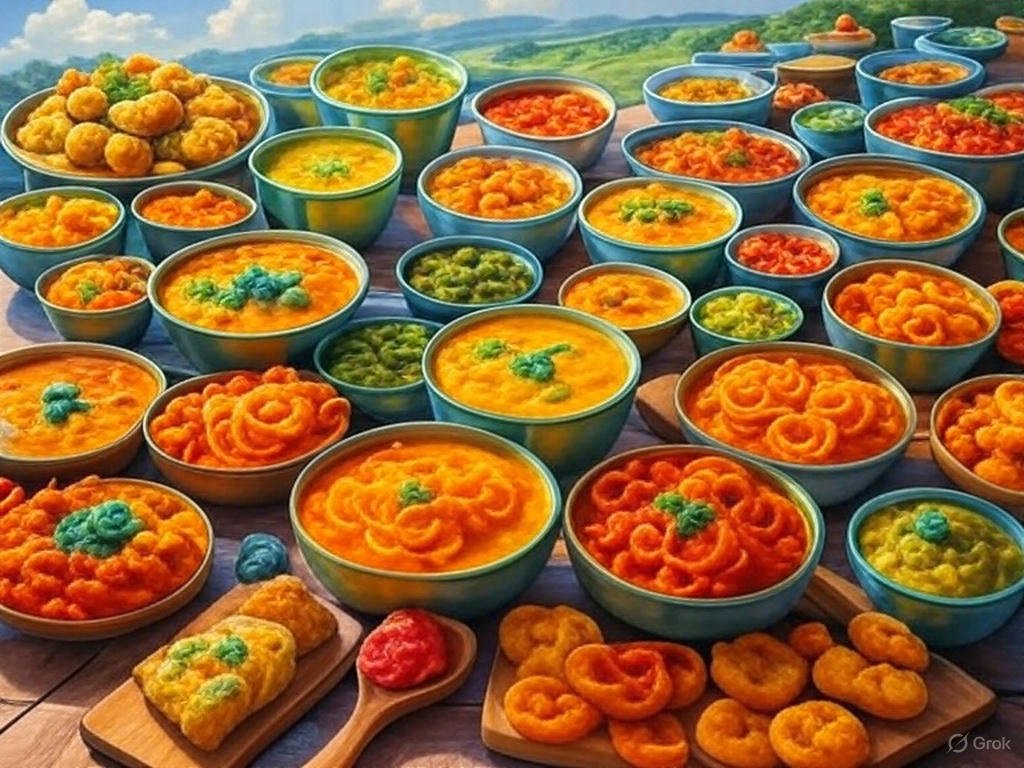
Enjoy Traditional & Cultural Foods, holiday dishes and learn how to build a healthful eating plan for your unique lifestyle and nutritional needs.
Food is more than nutrition.
It is connected to family, geography, history, religion, celebrations, agriculture and social traditions.
A recipe can carry memories from one generation to another. A festival can be recognized through its food. A particular spice combination can identify a regional cuisine. A family meal can become part of someone’s cultural identity.
This is why healthy eating should not be separated from culture.
NutritionsValue’s Cultural & Traditional Food section brings together four areas:
- Indian Traditional Foods
- Indian Cultural Foods
- American Foods
- Holidays & Celebrations
These categories create an opportunity to explore food not only from a nutritional perspective but also from a cultural and historical perspective.
FAO’s framework for sustainable healthy diets explicitly recognizes that diets have sociocultural dimensions and should be culturally acceptable as well as nutritionally adequate and safe.
What Are Traditional Foods?
Traditional foods are foods that have been prepared and consumed within a community or cultural group over time.
They may be connected with:
- Regional agriculture
- Local ingredients
- Family traditions
- Festivals
- Religious practices
- Historical events
- Climate
- Geography
Traditional food does not necessarily mean that a food is automatically healthy or unhealthy.
Its nutritional value depends on ingredients, quantities, preparation methods and the overall dietary pattern.
Indian Traditional Foods
India has one of the world’s most diverse culinary traditions.
Food changes dramatically from region to region.
North Indian cuisine may include wheat-based breads, pulses, dairy and different spice combinations.
South Indian cuisines commonly feature rice, lentils, fermented batters, coconut and regional vegetables.
Western and eastern Indian cuisines have their own combinations of grains, legumes, vegetables, seafood, dairy and spices.
This diversity is valuable from both cultural and nutritional perspectives.
Dal and Pulses
Pulses have an important role in Indian food traditions.
Dal, chickpeas, rajma, peas and other legumes can contribute protein, carbohydrates, fiber and minerals.
They can be combined with rice, roti or other staple foods to create practical meals.
Roti and Rice
Rice and wheat-based foods are major staples in many Indian diets.
Their role differs depending on region and household.
Rather than labeling rice or wheat as universally “good” or “bad,” it is more useful to consider the overall meal.
A meal containing a grain, a protein source, vegetables and other complementary foods can be more nutritionally diverse than focusing on the grain alone.
Fermented Foods
Fermentation is another important part of Indian culinary traditions.
Foods such as idli and dosa involve fermented batter.
Fermentation can alter taste, texture and other properties of food.
Traditional fermentation practices also demonstrate how food preservation and preparation techniques developed in response to local conditions.
Indian Spices
Spices are central to Indian cuisine.
Turmeric, cumin, coriander, cardamom, cloves, cinnamon, mustard seeds, black pepper, ginger and many other ingredients contribute flavor and aroma.
Their culinary importance is well established.
However, traditional use of a spice should not automatically be presented as proof that it treats a medical condition.
Nutrition content should distinguish cultural knowledge from scientifically established health claims.
Indian Cultural Foods
Food often plays an important role in Indian social life.
Meals may be associated with:
- Family gatherings
- Weddings
- Religious occasions
- Festivals
- Seasonal celebrations
- Birthdays
- Community events
Food can therefore have emotional and social value.
A purely nutritional approach that ignores these dimensions may fail to reflect how people actually eat.
Festival Foods
Different Indian festivals are associated with different foods.
Diwali may involve sweets and snacks.
Holi has its own traditional preparations.
Pongal is associated with traditional rice-based preparations.
Onam features the elaborate Onam Sadya.
Eid celebrations in many communities involve special dishes and sweets.
These foods are not simply ingredients on a nutrition chart.
They represent cultural practices and shared experiences.
Balancing Celebration Foods
Enjoying traditional celebration foods does not require abandoning healthy eating.
A practical approach is:
- Enjoy culturally important foods
- Pay attention to portions
- Include diverse foods
- Avoid unnecessary guilt
- Return to normal eating patterns after celebrations
Healthy eating should be sustainable enough to accommodate real life.
American Foods
American food culture is also highly diverse.
The United States contains influences from Indigenous food traditions, European cuisines, African American food traditions, Latin American cuisines, Asian cuisines and many immigrant communities.
Therefore, there is no single “American diet.”
American foods can range from traditional regional dishes to modern multicultural cuisine.
Examples of recognizable foods include:
- Corn-based dishes
- Barbecue
- Soups
- Sandwiches
- Pancakes
- Regional seafood
- Salads
- Baked dishes
Like Indian cuisine, American food culture contains both nutrient-rich traditional foods and foods that may be high in added sugars, sodium or saturated fat.
The nutritional value depends on the specific food and overall pattern.
Holidays & Celebrations
Celebration foods often differ from everyday foods.
Holidays may involve larger meals, desserts, snacks and special drinks.
This is normal.
Problems can arise when occasional celebration eating becomes a constant pattern.
A balanced approach is more sustainable than extreme restriction.
For example:
- Eat regular meals before a celebration rather than starving beforehand.
- Enjoy favorite foods consciously.
- Include vegetables and other nutritious foods.
- Pay attention to portion size.
- Drink water regularly.
- Avoid unnecessary guilt afterward.
Food and Family
Family meals can influence food habits.
Children often learn about food through observation.
Family cooking can also provide an opportunity to teach:
- Ingredient selection
- Cooking
- Food safety
- Portion awareness
- Cultural traditions
Traditional recipes can therefore become educational tools.
Preserving Food Heritage
Modern lifestyles can sometimes cause traditional food knowledge to disappear.
Recipes that once moved naturally from grandparents to parents to children may become less common.
Documenting traditional recipes can help preserve cultural heritage.
However, preservation does not mean refusing adaptation.
Traditional recipes can evolve while retaining their identity.
For example, a family may reduce excessive oil or sugar while maintaining the characteristic ingredients and preparation style of a traditional dish.
Traditional Foods and Nutrition
Traditional does not automatically mean healthy.
Likewise, modern does not automatically mean unhealthy.
A traditional sweet may contain large quantities of sugar and fat.
A modern salad may contain a wide range of nutritious ingredients.
The appropriate question is:
What is the nutritional composition of this food, how is it prepared, how much is consumed and how does it fit into the overall diet?
This approach avoids romanticizing traditional foods while still respecting their cultural importance.
Sustainable Cultural Diets
Food traditions can also intersect with sustainability.
Traditional cuisines often developed around ingredients that were locally available.
This does not mean every traditional food system was environmentally perfect, but it demonstrates the relationship between cuisine, agriculture and geography.
FAO emphasizes that sustainable diets can include environmental, economic and sociocultural considerations.
The Future of Traditional Foods
Traditional foods do not need to disappear as modern nutrition science develops.
Instead, the future can involve combining:
Traditional knowledge + modern food safety + nutritional science + sustainable practices
This approach can preserve cultural identity while supporting healthier eating patterns.
For NutritionsValue, this creates an opportunity to publish detailed articles about individual cuisines, ingredients, festivals and traditional recipes while maintaining evidence-based nutritional standards.
The Bottom Line
Food is simultaneously biological, cultural and social.
Indian traditional foods, American foods and celebration dishes can all be studied through multiple perspectives:
- Nutrition
- History
- Culture
- Agriculture
- Food preparation
- Safety
- Sustainability
Healthy eating does not require people to abandon the foods that connect them to their families and communities.
Instead, understanding ingredients, preparation methods, portions and overall dietary patterns allows traditional foods to remain part of modern healthy lifestyles.
The best food culture is not one that rejects tradition.
It is one that preserves valuable traditions while continuing to learn, adapt and make informed choices.