
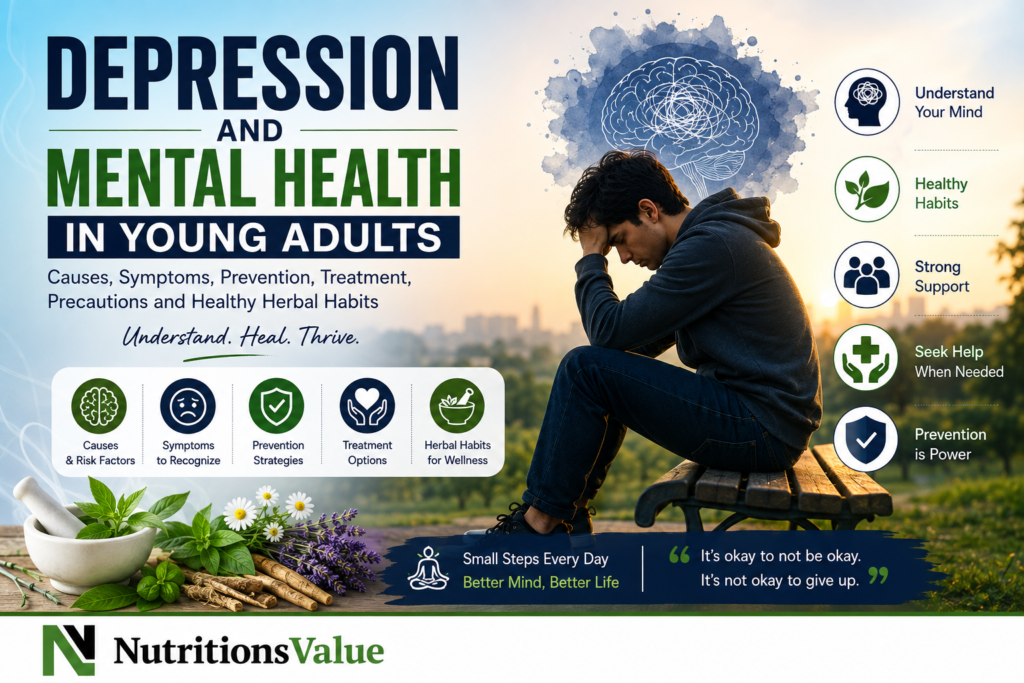
Young adulthood has an exciting period of life. Education, career, relationships, financial independence, personal identity and future plans all begin to take shape. At the same time, these years can bring significant pressure.
Academic competition, career uncertainty, unemployment, financial stress, relationship problems, loneliness, social-media pressure, sleep deprivation and constant comparison with others has affect mental well-being.
Feeling sad, worried or stressed from time to time is a normal part of life. Depression, however, is more than temporary sadness.
Depression has affect mood, motivation, sleep, appetite, concentration, relationships, studies, work and everyday functioning. It can occur in teenagers and young adults and may sometimes be difficult to recognize because symptoms can look like laziness, irritability, lack of motivation or simply being “under pressure.”
Understanding depression and mental health in young people is therefore important not only for those experiencing symptoms but also for parents, friends, teachers, partners and colleagues.
This guide explains the causes, symptoms, risk factors, prevention strategies, treatment options, lifestyle habits, precautions and the responsible role of herbs and nutrition in supporting overall mental well-being.
What Is Depression?
Depression is a mental health condition characterized by persistent changes in mood and other symptoms that interfere with daily life.
A person with depression may experience:
- Persistent sadness or emptiness
- Loss of interest or pleasure
- Low energy
- Difficulty concentrating
- Changes in sleep
- Changes in appetite
- Feelings of worthlessness or excessive guilt
- Irritability
- Social withdrawal
- Difficulty performing normal daily activities
Depression is not simply a matter of “thinking positively.”
It can involve biological, psychological and social factors, and professional assessment may be needed.
Depression vs Normal Sadness: What Is the Difference?
Everyone experiences disappointment, failure, rejection and difficult days.
For example, a student may feel sad after failing an examination. A young professional may feel stressed after losing a job. Someone may experience grief after a relationship ends.
These emotional reactions do not automatically mean depression.
The concern becomes greater when symptoms:
- Persist for a prolonged period
- Occur most of the day or on most days
- Significantly interfere with studies or work
- Affect relationships
- Cause major changes in sleep or appetite
- Lead to withdrawal from previously enjoyable activities
- Make normal responsibilities difficult
- Produce feelings of hopelessness or worthlessness
A qualified mental-health professional can determine whether symptoms meet the criteria for depression or another condition.
Common Symptoms of Depression in Young Adults
Depression does not look exactly the same in everyone.
- Persistent sadness
A young person may feel sad, empty, hopeless or emotionally exhausted without an obvious immediate reason.
- Loss of interest
Activities that once felt enjoyable may suddenly seem meaningless.
A person who previously enjoyed:
- sports
- music
- gaming
- meeting friends
- travelling
- hobbies
may stop participating.
- Constant fatigue
Even after sleeping, the person may feel physically and mentally exhausted.
- Sleep changes
Depression can be associated with:
- difficulty falling asleep
- waking frequently
- waking too early
- sleeping excessively
- Appetite and weight changes
Some people lose appetite, while others eat more than usual.
- Concentration problems
Studying, reading, working or making simple decisions may become difficult.
- Irritability
Depression in young people does not always appear as sadness. Irritability, anger and frustration can sometimes be prominent.
- Social withdrawal
A young person may stop replying to messages, avoid friends or prefer to stay alone.
- Feelings of worthlessness
Thoughts such as:
“I am useless.”
“I am a failure.”
“Everyone else is doing better than me.”
can become persistent and overwhelming.
These thoughts should be taken seriously.
Major Causes and Risk Factors of Depression
There is rarely one single cause.
Depression can develop through an interaction between biological, psychological and social factors.
- Chronic stress
Long-term academic, career, financial or family stress can contribute to poor mental health.
- Academic pressure
Examination pressure, competition and fear of failure can become overwhelming.
- Career uncertainty
Young people may feel anxious when they cannot find suitable employment or are uncertain about their future.
- Relationship problems
Breakups, conflict, rejection or unhealthy relationships can affect emotional well-being.
- Loneliness
A person can feel lonely even while surrounded by people.
This is particularly relevant in an era where online communication can sometimes replace meaningful face-to-face relationships.
- Social-media comparison
Constant exposure to carefully edited images of other people’s lifestyles can create unrealistic expectations.
Someone may begin thinking:
“Everyone is successful except me.”
This comparison can damage self-esteem.
- Sleep deprivation
Poor sleep can negatively affect mood, concentration and emotional regulation.
- Substance use
Alcohol and recreational drugs can worsen mental health and may increase the risk of depression in some people.
- Family history and biological factors
Genetic and biological factors can influence vulnerability to depression.
Having a family member with depression does not mean a person will definitely develop it, but it may increase susceptibility.
- Trauma and difficult life experiences
Abuse, bullying, violence, major loss and other traumatic experiences can affect mental health.
Depression and Social Media: A Modern Mental-Health Challenge
Social media itself is not automatically harmful.
It can help young people:
- stay connected
- find communities
- learn
- communicate
- discover useful information
However, excessive or unhealthy use can become problematic.
Potential warning signs include:
- constantly comparing yourself with others
- checking likes and comments repeatedly
- feeling anxious after using social media
- losing sleep because of scrolling
- feeling inadequate after seeing other people’s achievements
- spending less time with people in real life
Healthy approach
Try creating boundaries around social media.
For example:
- Avoid using the phone immediately after waking.
- Keep devices away during meals.
- Reduce screen use before bedtime.
- Unfollow accounts that consistently make you feel inadequate.
- Spend time on offline hobbies.
- Make space for real-world relationships.
Depression and Sleep: Why Sleep Matters
Sleep is not a luxury.
Young adults often sacrifice sleep because of:
- examinations
- work
- gaming
- social media
- late-night entertainment
- irregular schedules
Poor sleep can make stress harder to manage.
Develop a consistent sleep routine:
- Go to bed and wake up at approximately consistent times.
- Reduce stimulating screen use before bedtime.
- Keep the bedroom comfortable and quiet.
- Avoid excessive caffeine late in the day.
- Exercise regularly, but avoid intense exercise immediately before bed if it interferes with sleep.
If persistent insomnia or excessive sleep continues alongside low mood, discuss it with a healthcare professional.
Nutrition and Mental Health
Food cannot independently cure depression, but nutrition is an important component of overall health.
A balanced diet should provide:
- Protein
- Whole grains
- Fruits
- Vegetables
- Healthy fats
- Fiber
- Essential vitamins and minerals
- Adequate fluids
Useful food choices may include:
Protein sources
- Eggs
- Milk and yogurt
- Pulses
- Beans
- Fish
- Lean meat
- Nuts and seeds
Fruits and vegetables
Aim for variety rather than relying on a single “superfood.”
Healthy fats
Nuts, seeds and appropriate sources of unsaturated fats can form part of a balanced diet.
Whole grains
Oats, whole-wheat foods and other minimally processed grains can help create balanced meals.
Exercise and Mental Health
Physical activity is one of the most useful lifestyle habits for general mental and physical health.
Exercise may help improve:
- mood
- sleep
- stress management
- physical fitness
- confidence
- daily routine
Young adults do not necessarily need an expensive gym membership.
Useful options include:
- walking
- running
- cycling
- swimming
- yoga
- strength training
- sports
- dancing
Start with an activity that is realistic enough to maintain consistently.
Consistency matters more than intensity.
How to Prevent Depression and Protect Mental Health
Depression cannot always be prevented, but healthy habits can support mental well-being and may reduce some risk factors.
- Build meaningful relationships
Talk regularly with people you trust.
A supportive friend, family member, teacher, mentor or professional can make difficult periods easier to manage.
- Maintain a daily routine
A simple routine can provide structure.
Include:
- adequate sleep
- meals
- physical activity
- study/work
- relaxation
- social interaction
- Learn stress-management skills
Try:
- deep breathing
- mindfulness
- meditation
- yoga
- journaling
- walking
- hobbies
- talking to someone
- Avoid excessive alcohol and drugs
Substances may temporarily change how someone feels but can worsen mental-health problems.
- Take breaks
Continuous study or work without recovery can increase exhaustion.
- Set realistic goals
Do not measure your worth solely through grades, salary, followers or achievements.
- Learn to ask for help
Asking for professional support is a sign of self-awareness, not weakness.
When Should a Young Person Seek Professional Help?
Consider speaking with a mental-health professional when symptoms are persistent, worsening or interfering with everyday life.
Professional support may be especially important when a person:
- feels hopeless
- cannot function normally
- has persistent sleep problems
- has stopped enjoying almost everything
- cannot concentrate
- is withdrawing from everyone
- is using alcohol or drugs to cope
- feels worthless
- has thoughts about death or self-harm
A doctor, psychologist or psychiatrist can assess the situation and recommend an appropriate treatment plan.
Herbal Herbs for Healthy Mental Well-Being: What Is Useful Today?
An Evidence-Informed Approach to Herbs and Mental Health
Interest in herbs for stress, sleep and mental well-being has increased considerably.
Herbs can be part of a healthy lifestyle, but an important distinction must be made:
“Natural” does not automatically mean “safe,” and herbs should not be presented as a replacement for proven depression treatment.
Some herbs have been studied for mood or stress-related symptoms, but evidence varies considerably.
Ashwagandha has traditionally been used in Ayurveda and is being studied for stress and anxiety-related outcomes.
However, evidence is not sufficient to consider it a universal treatment for depression.
People taking medications or those with certain medical conditions should discuss its use with a healthcare professional.
Tulsi is traditionally used in Indian wellness practices.
It can be consumed as part of normal dietary habits, but it should not be described as a cure for depression.
Turmeric contains curcumin, a compound extensively studied for its biological properties.
Research into curcumin and mental health is ongoing, but food-based turmeric should not be considered a substitute for clinical treatment.
Chamomile is commonly used as a relaxing herbal tea.
Some research has explored its role in anxiety and sleep, but evidence should not be interpreted as proof that it treats major depression.
Ginger can be included in a healthy diet and may be useful as a flavorful ingredient in beverages and meals.
It should not be promoted as a treatment for depression.
Important Precautions Before Using Herbal Products
Young people should be especially careful with concentrated herbal supplements.
Before using an herbal supplement:
- Check the ingredients.
- Avoid unknown products with exaggerated claims.
- Do not assume “herbal” means risk-free.
- Tell your doctor about supplements you are taking.
- Be cautious about products claiming to cure depression.
- Do not replace prescribed medication with herbs without medical advice.
- Avoid combining multiple supplements without professional guidance.
Some herbs and supplements can interact with medicines.
This is particularly important for people taking antidepressants, sedatives, blood thinners or other prescription medicines.
Most important rule
Never stop prescribed antidepressant or psychiatric medication and replace it with an herbal product without speaking to your doctor.
Can Herbal Remedies Prevent Depression?
There is currently no herbal remedy that can guarantee prevention of depression.
The strongest foundation for mental well-being remains:
Sleep + physical activity + balanced nutrition + healthy relationships + stress management + professional support when needed.
Herbs can be viewed as a possible complementary component of a healthy lifestyle—not as a replacement for evidence-based mental-health care.
Precautions Young People Should Take
Modern life creates several mental-health risks that deserve attention.
Avoid self-diagnosis through social media
A short video or online quiz cannot replace professional assessment.
Avoid self-medicating
Do not take antidepressants, sleeping pills or sedatives without medical supervision.
Be careful with supplements
“Natural antidepressant” claims online can be misleading.
Don’t isolate yourself
When feeling depressed, withdrawing completely can make things harder.
Don’t ignore symptoms
Waiting for severe symptoms before asking for help is unnecessary.
Avoid comparing your life with online personalities
Social media rarely shows the complete reality of someone’s life.
How Friends and Family Can Help
Sometimes a young person experiencing depression does not know how to ask for help.
You can support them by:
- Listening without immediately judging
- Taking their feelings seriously
- Avoiding statements such as “Just be positive”
- Encouraging professional help
- Offering practical support
- Checking in regularly
- Helping them maintain basic routines
Instead of saying:
“Everyone has problems.”
try:
“I’m here to listen. You don’t have to handle everything alone.”
Small supportive actions can matter greatly.
Suicide and Self-Harm: Take Warning Signs Seriously
Depression can sometimes become severe.
Statements such as:
- “I don’t want to live.”
- “Everyone would be better without me.”
- “There is no point anymore.”
should never be dismissed as attention-seeking.
Other warning signs may include:
- Talking about suicide
- Looking for ways to die
- Giving away important possessions
- Saying goodbye unusually
- Sudden withdrawal
- Severe hopelessness
- Previous self-harm
What should you do?
Stay with the person if you believe they may be in immediate danger, reduce access to potentially dangerous means where possible, and seek urgent professional/emergency assistance.
Do not leave a person alone with an immediate suicide risk.
A Simple Daily Mental-Health Routine for Young Adults
A realistic routine might look like this:
Morning
- Wake at a consistent time.
- Get some natural daylight.
- Eat a balanced breakfast if you normally eat breakfast.
- Avoid immediately checking social media.
Daytime
- Focus on study/work in manageable blocks.
- Take short movement breaks.
- Eat balanced meals.
- Stay hydrated.
- Connect with at least one person.
Evening
- Exercise or take a walk.
- Spend some time on a hobby.
- Reduce unnecessary screen time.
- Reflect on the day’s achievements rather than only mistakes.
Night
- Create a calming bedtime routine.
- Keep sleep timing reasonably consistent.
- Avoid excessive caffeine late in the day.
This routine is not a treatment for clinical depression, but it can support general mental well-being.
10 Simple Mental-Health Habits for Today's Youth
- Sleep enough and maintain a regular sleep schedule.
- Move your body every day.
- Eat a balanced diet.
- Stay connected with supportive people.
- Limit unhealthy social-media comparison.
- Take regular breaks from study or work.
- Spend time outdoors when possible.
- Avoid using alcohol or drugs as a coping strategy.
- Ask for professional help when symptoms persist.
Treat mental health as seriously as physical health.
FAQ
Is depression common among young people?
Depression can affect adolescents and young adults and is an important mental-health concern. It should be recognized and treated rather than dismissed as ordinary moodiness.
Is depression a weakness?
No. Depression is a health condition and can involve biological, psychological and social factors.
Can exercise cure depression?
Exercise can support mental well-being and may be part of depression treatment, but it should not be presented as a guaranteed cure for clinical depression.
Can herbs cure depression?
There is no basis for treating herbal products as a universal cure for depression. Some herbs are being studied for stress, anxiety or mood-related outcomes, but evidence varies.
Is Ashwagandha good for depression?
Ashwagandha has been studied for stress and anxiety-related outcomes, but it should not be considered a proven replacement for depression treatment. Discuss supplements with a healthcare professional, especially if taking medication.
Can social media cause depression?
Social media use is complex. Excessive or problematic use and constant social comparison may negatively affect mental well-being in some people, but depression has multiple potential causes.
When should I see a psychologist?
If low mood, loss of interest, hopelessness, sleep problems or concentration difficulties persist or interfere with daily life, professional assessment is appropriate.
Can depression go away on its own?
Some symptoms may improve with time, but persistent or significant symptoms should not simply be ignored. Depression is treatable, and early professional support can be valuable.
Should I stop antidepressants if I feel better?
No. Never stop or change prescribed antidepressants without discussing it with the prescribing healthcare professional.
What is the most important thing to remember?
Depression is treatable, asking for help is not weakness, and herbs or supplements should never replace appropriate mental-health care.
Key Facts
Depression and mental health in young adults deserve the same attention as physical health.
Today’s youth face a unique combination of academic competition, career uncertainty, financial pressure, relationship challenges, social-media comparison, reduced physical activity and disrupted sleep. These factors do not automatically cause depression, but they can contribute to psychological stress and poor mental well-being.
The best approach is not to search for a single “magic” solution.
Instead, build a strong foundation through:
healthy sleep + regular physical activity + balanced nutrition + meaningful relationships + sensible technology use + stress-management skills + timely professional help.
Herbs such as ashwagandha, tulsi, turmeric, chamomile and ginger may have a place in traditional or complementary wellness, but they should not be presented as cures for depression. Evidence varies between herbs and preparations, and some supplements can interact with medicines.
Most importantly, never ignore severe depression, hopelessness or thoughts of self-harm.
Mental health is health. Seeking help early is a sign of strength, not failure.